
The Invisible Cost of Fleet Theft: 3 Impacts That Exceed the Cargo Value
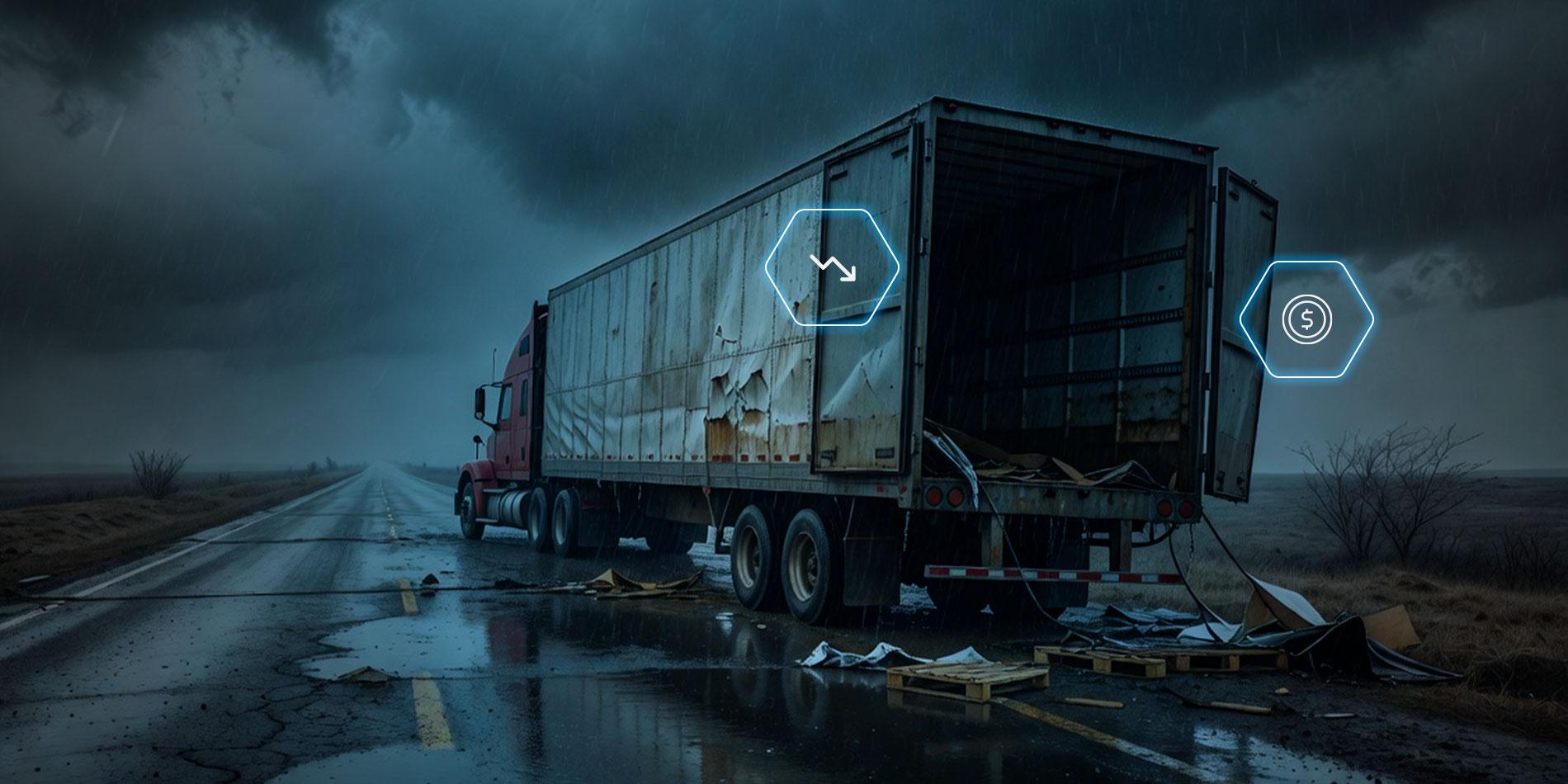
The most recent Vehicle Theft Report (Feb 2025 – Jan 2026) from AMIS reveals that the second most stolen vehicle model in Mexico is a tractor-trailer, making it clear that fleet theft is a major target for criminals.
Every year, fleet theft impacts thousands of cargo transport units on highways. This reality not only represents millions of dollars in losses due to merchandise and vehicles, but also a growing risk to the operational continuity of companies.
The economic impact of fleet theft rarely ends with quantifying the value of the lost vehicle and cargo. The true cost begins after the incident, with indirect consequences that impact profitability, operations, and competitiveness for months and even years to come.
These hidden costs represent a critical risk to business continuity, which is why fleet theft prevention has shifted from a reactive concern to a proactive priority for fleet managers. Here are three of the most costly impacts:
1. Impact on the Workforce
Driver safety is a key factor in profitability!
Fleet theft incidents not only affect assets, but also impact driver morale. Drivers experience critical stress during these events, leading to consequences such as absenteeism, high turnover, decreased productivity, and greater difficulty in recruiting staff.
In a market where the driver shortage already poses an operational challenge for the industry, losing qualified and experienced talent increases recruitment and training costs.
2. Damage to the Business’s Reputation
Recovering a damaged reputation is far more
expensive than preventing and protecting it!
Every missed delivery has consequences. When merchandise doesn’t arrive on time or doesn’t arrive at all due to theft, risks arise ranging from breach of contract and commercial penalties to loss of customer trust and cancellation of future projects.
In sectors like food, pharmaceuticals, or retail, where strict delivery windows exist, a single incident can damage business relationships built over years. Reputation is also an asset, and recovering it is often much more expensive than investing in preventative solutions.
3. Increased on Insurance Premiums
After a loss, many companies face increased deductibles, higher premiums, coverage restrictions, and stricter security requirements. This means the financial impact continues with each policy renewal.
Over time, a company with a high loss rate ends up allocating more budget to insuring its operations than to investing resources in improving them.
The true cost of theft is cumulative
The total cost of a single incident can be several times the original value of the stolen merchandise. When you add up cargo loss, vehicle loss, operational disruptions, driver turnover, commercial penalties, and increased insurance premiums, the true cost of a fleet theft incident is cumulative.
For this reason, more and more organizations are migrating from a reactive strategy based solely on recovery to preventive models supported by accurate data, real-time monitoring, and intelligent alerts.
Prevention begins before the theft
A prevention strategy, rather than focusing on recovering assets, aims to reduce the likelihood of the event occurring, especially considering the financial impact that fleet theft has on transportation companies.
Investing in the implementation of a technological ecosystem is a strategic decision that empowers transportation companies, allowing them to identify risk conditions before an incident occurs, as well as reduce reaction times, improve response times, and strengthen operational safety through solutions such as:
- Advanced GPS monitoring
- Specialized telemetry
- IoT sensors
- Smart alerts
- Remote immobilization
- Asset tracking
- Video surveillance
- Door opening detection
- Asset tracking
- Anti-jammer devices
- Fuel monitoring
- Operational analytics
- Customized solutions
- And much more…
Is your operation prepared to prevent theft before it happens?
In modern logistics, the true impact of fleet theft affects operational continuity, customer trust, driver safety, and the company’s financial stability. Investing in monitoring and surveillance technologies not only protects your business but also helps to evolve the level of productivity and competitiveness in the global industry.
At Didcom, we help transportation companies strengthen the security of their fleets, reduce operational risks, and protect business continuity. Learn how our solutions can help you build a safer, more connected, and smarter operation!
Últimos Blogs
Últimas Noticias



Temas de interés